For Farmers & Schools
Coexistence & Learning
Practical measures for farmers and engaging learning for schools —
securing both harvests and habitats in the Rollapadu grasslands.
Critically Endangered
IUCN Red List Status
<200 Birds
Current population in India
Since 2016
Bustard Recovery Program
Rollapadu Grasslands Conservation
The Rollapadu grasslands represent a critical ecosystem where agriculture and wildlife coexist. Our mission is to
support both farmers and educational institutions in understanding and implementing sustainable practices that
protect this unique habitat while maintaining agricultural productivity.
For Farmers — Coexistence and Support
Why coexistence matters
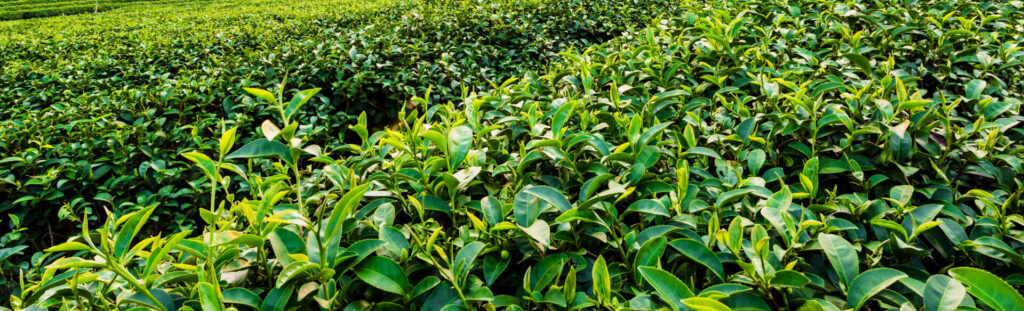
Rollapadu is recognized under IBA criteria A1/A4ii, where agriculture borders grasslands that wildlife use for movement and foraging. Conflicts with blackbuck and grazing can reduce yields and harm habitats if not managed through local protocols.
Seasonal Guidance
Align sowing and guarding with peak crop-stage risks while protecting nesting seasons in grasslands. Maintain clean, low-shrub edges to reduce predator cover and sustain open habitat structure.
Non-lethal Crop Protection
Collective night watches, deterrents, and crop guarding rotations lower costs and improve effectiveness. Barriers and trials should be coordinated to avoid shifting wildlife pressure to neighboring farms.
Grazing & Pasture Coordination
Agree on seasonal grazing windows so livestock fodder needs are met while protecting sensitive nesting periods. Rotate grazing pressure across plots to avoid trampling and habitat cover loss.
Incident Reporting & Rapid Response
Standardize reports for crop loss, poaching attempts, and hazards for timely support and risk mapping. Use Updates and Data & Reports to follow mitigation outcomes and access shared protocols.
How support reaches farms
Habitat Actions
Direct restoration and stewardship to priority zones.
CSR & Philanthropy
Fund deterrents, guarding rotations, and materials with transparent milestones.
For Schools — Learn and Participate
Why Rollapadu in classrooms
Rollapadu, a Deccan grassland IBA site, offers living lessons on species–habitat connections and community stewardship. Local schools can support by documenting seasons, species, and habitat condition through safe, structured activities.
Classroom Modules
Grassland Basics
Open habitat structure, shrubs, and seasonal shifts.
Species Stories
Great Indian Bustard, raptors, and Lesser Florican as flagship examples.
Field Activities (Supervised)
Edge Walks
Observe habitat from outside, noting openness, grass height, and wildlife signs without disturbance.
Roost Awareness
Roost Awareness Dusk sessions on raptor roosts with strict no-disturbance rules.
Data Ethics & Safety
Students practice non-intrusive observation under Science & Monitoring protocols.
All activities avoid sensitive zones and are done with adult supervision.
Bring Science to Life
Simple Transects & Point Counts
Show how repeated observations guide conservation.
Public Datasets Exploration
Understand real conservation outcomes through data analysis.
How to Get Involved
Schools can request guided sessions, teaching kits, or co-host awareness days linked to Habitat Actions milestones. Media Kit and Site Factsheet provide approved facts and visuals for projects.
Explore Our Resources
Access comprehensive documentation and tools for conservation action
Site Factsheet
Threats & Solutions
Habitat Actions
Science & Monitoring
Data & Reports
CSR & Philanthropy
Updates
Ready to Get Started?
conservation curriculum, we’re here to help.